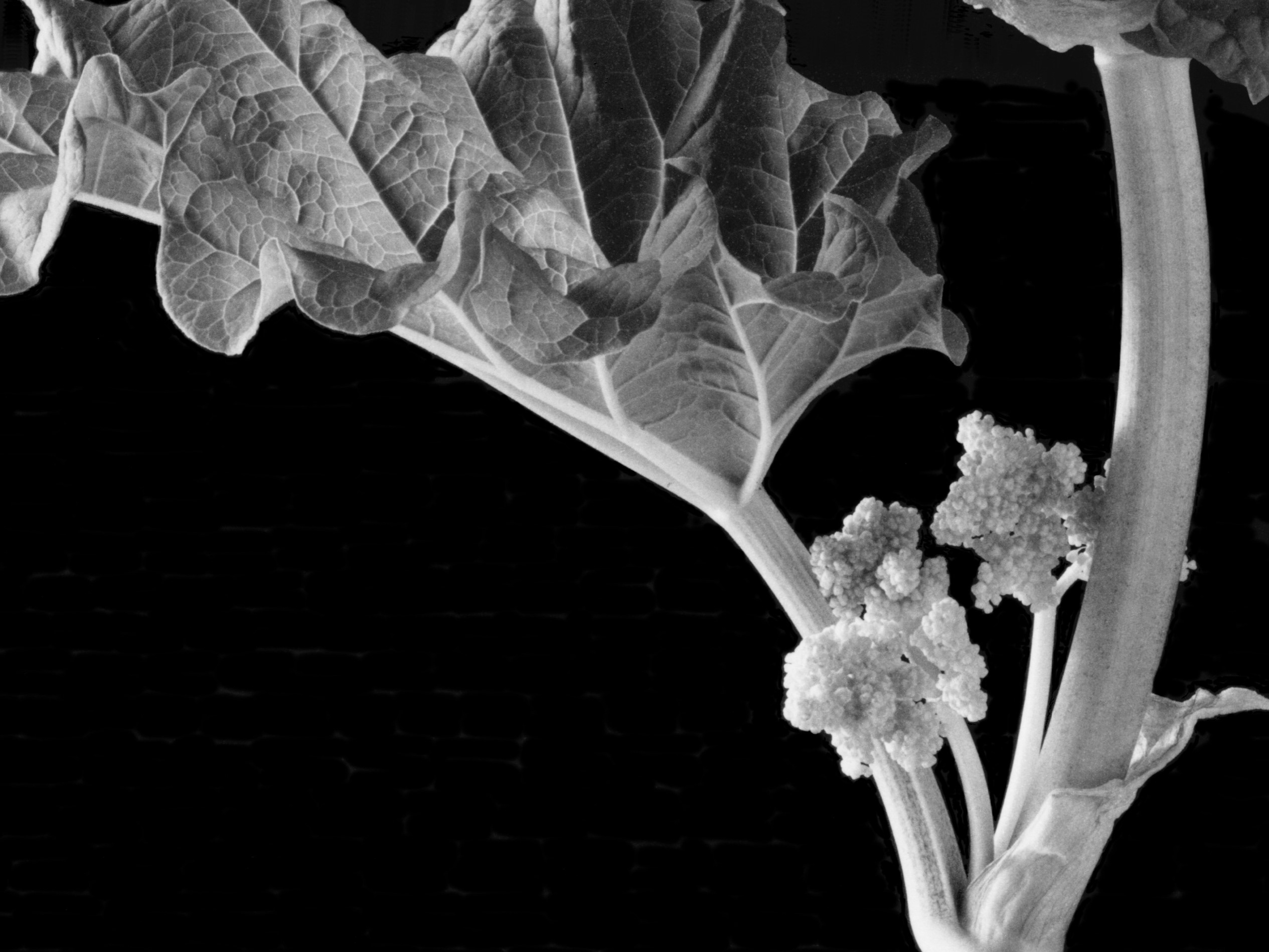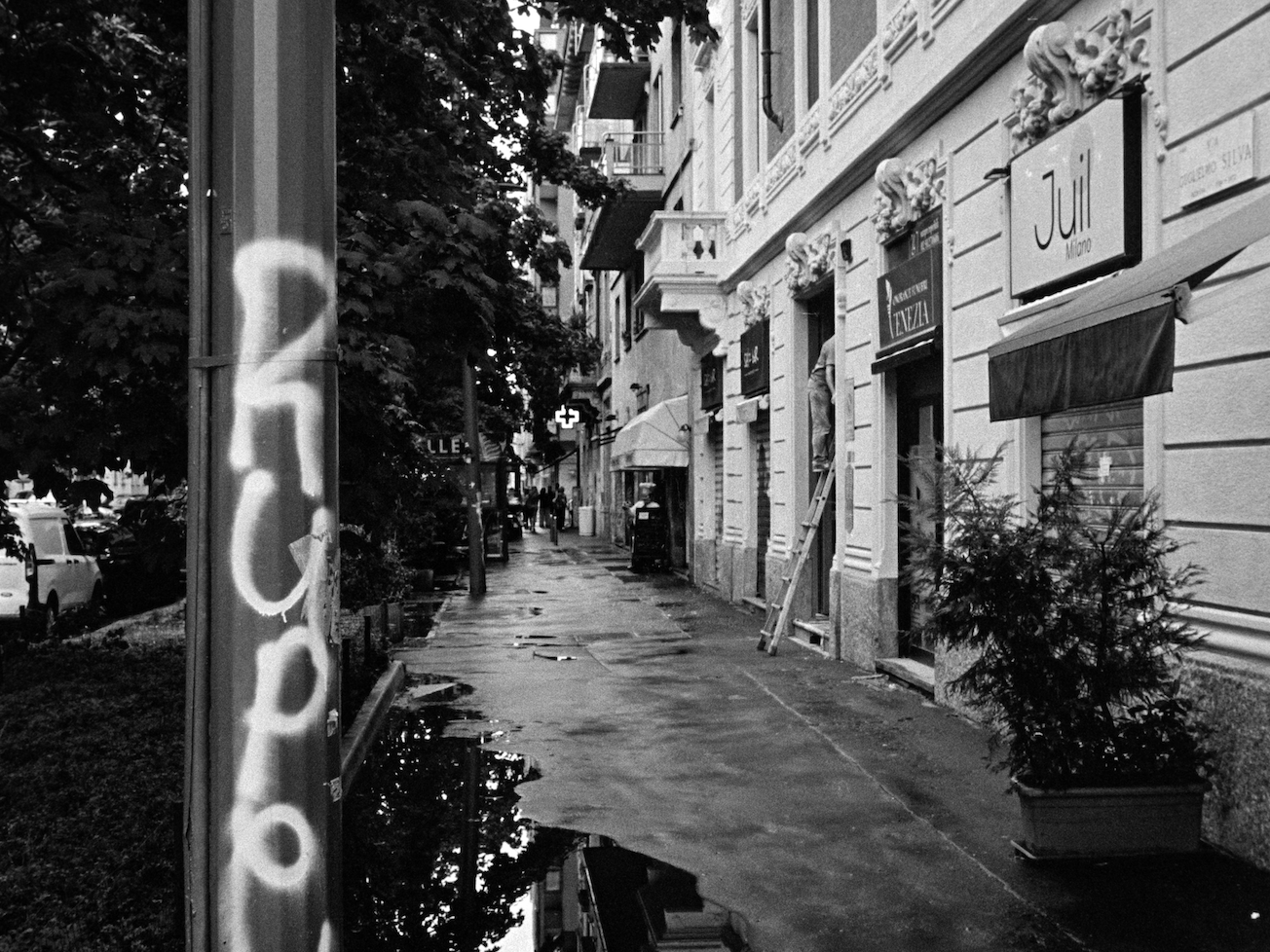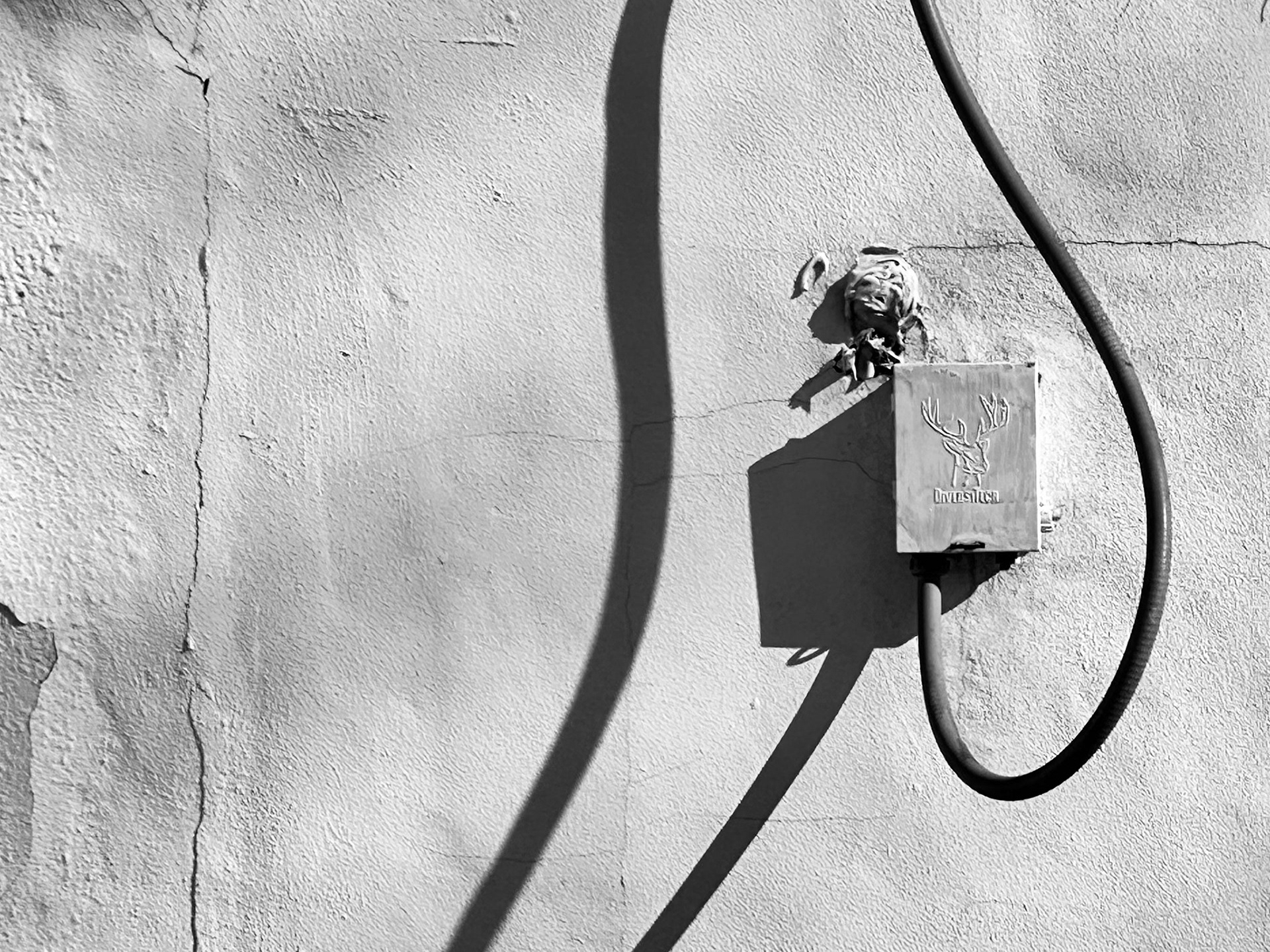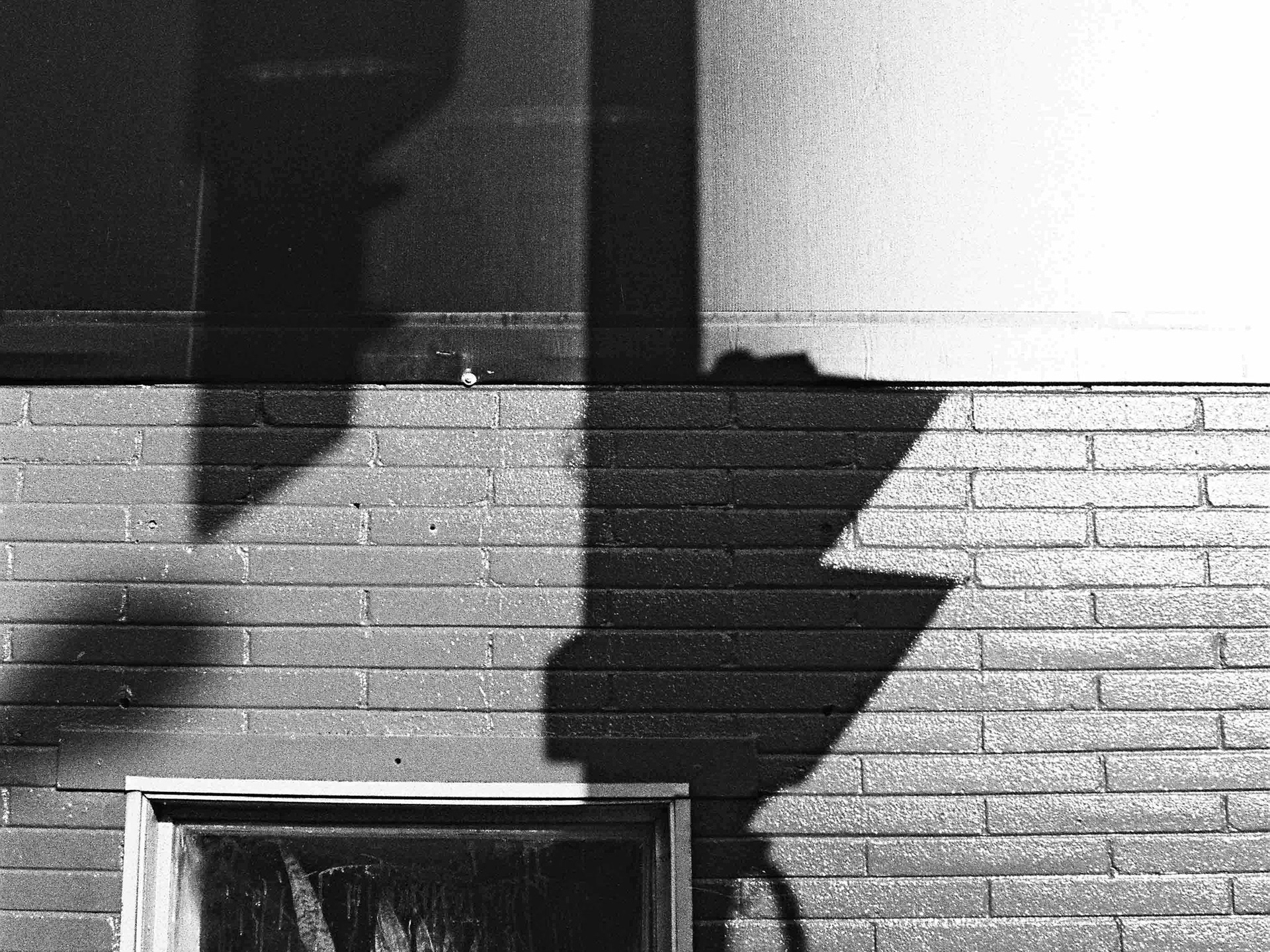
My photographic career began as a young teenager when I started using my parents’ Kodak Box Brownie. Shortly after that I purchased a 35mm camera and joined my high school camera club. There I was introduced to the darkroom. Throughout my university years and my federal government career I switched between monochrome (black and white negatives, including processing and printing my own negatives), colour negative, and colour slides.
COLLECTION
4x5
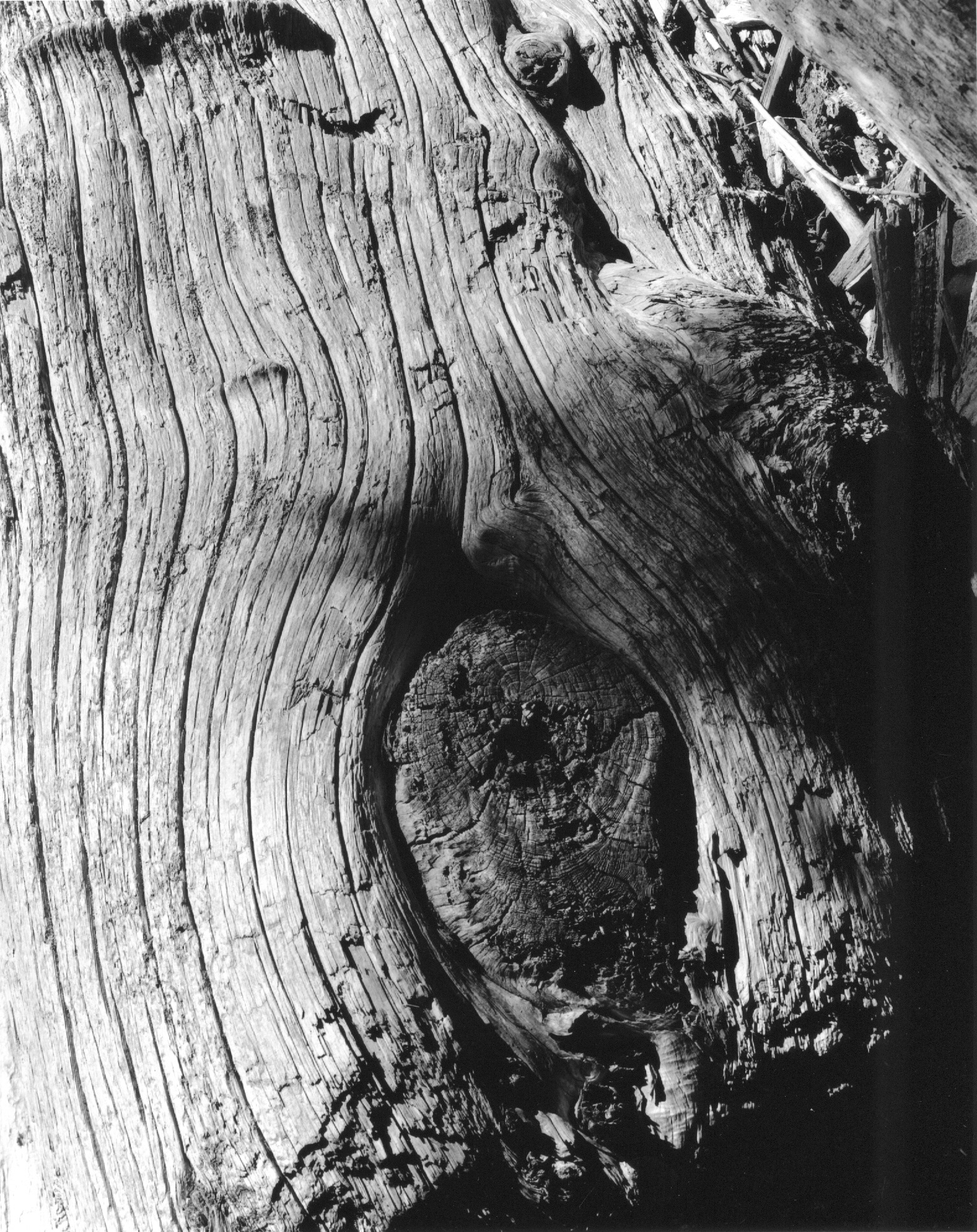
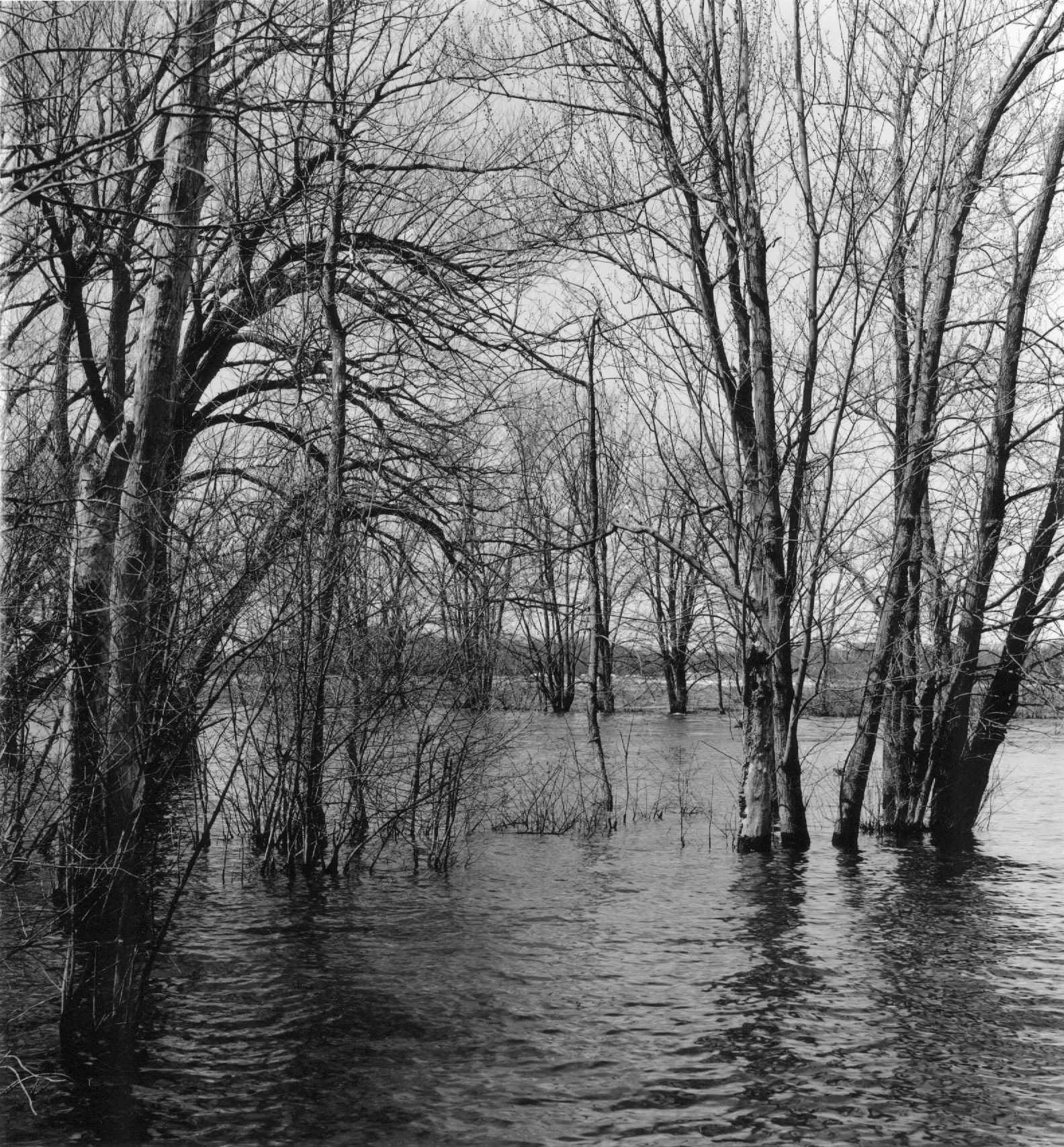
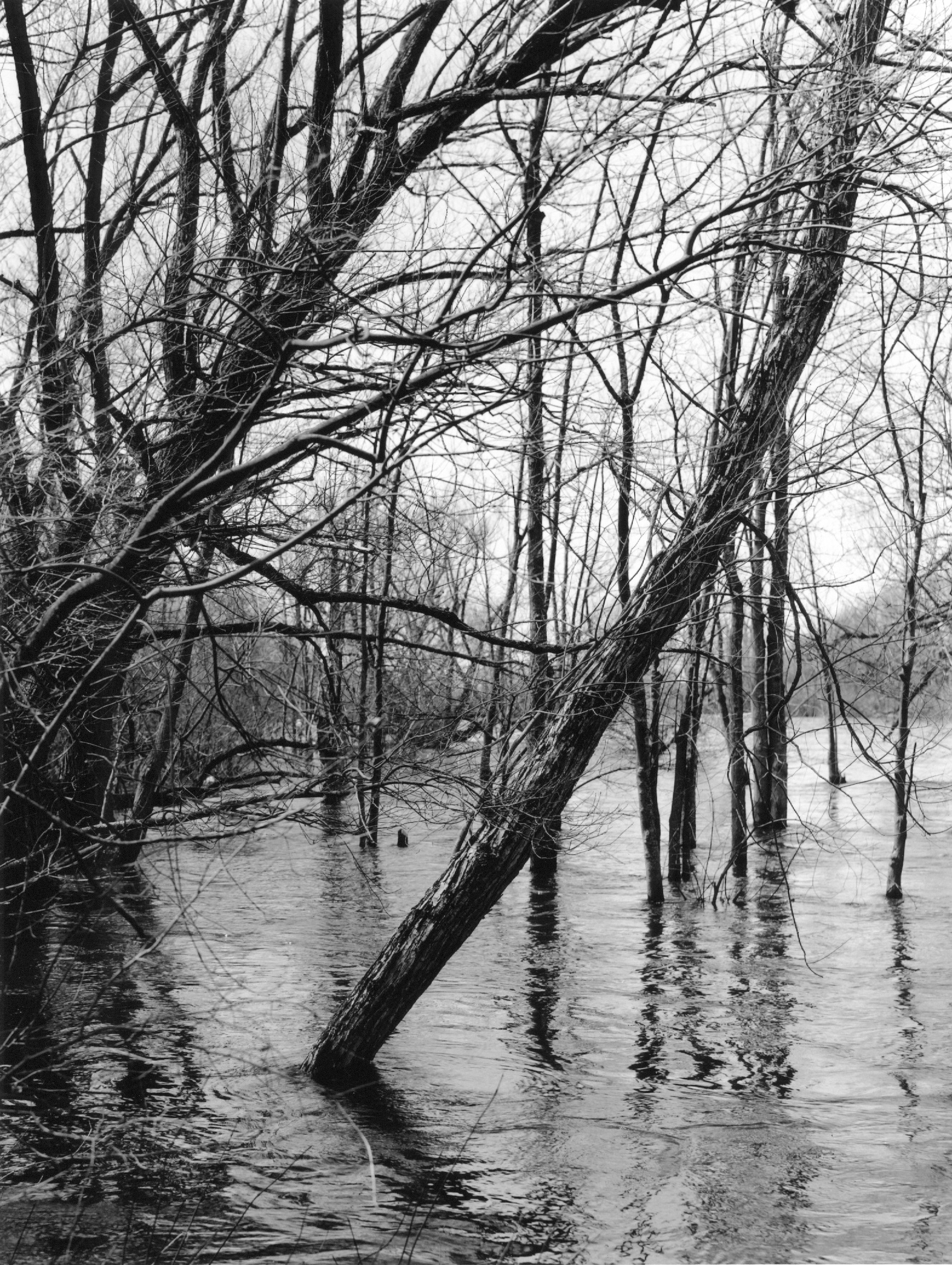
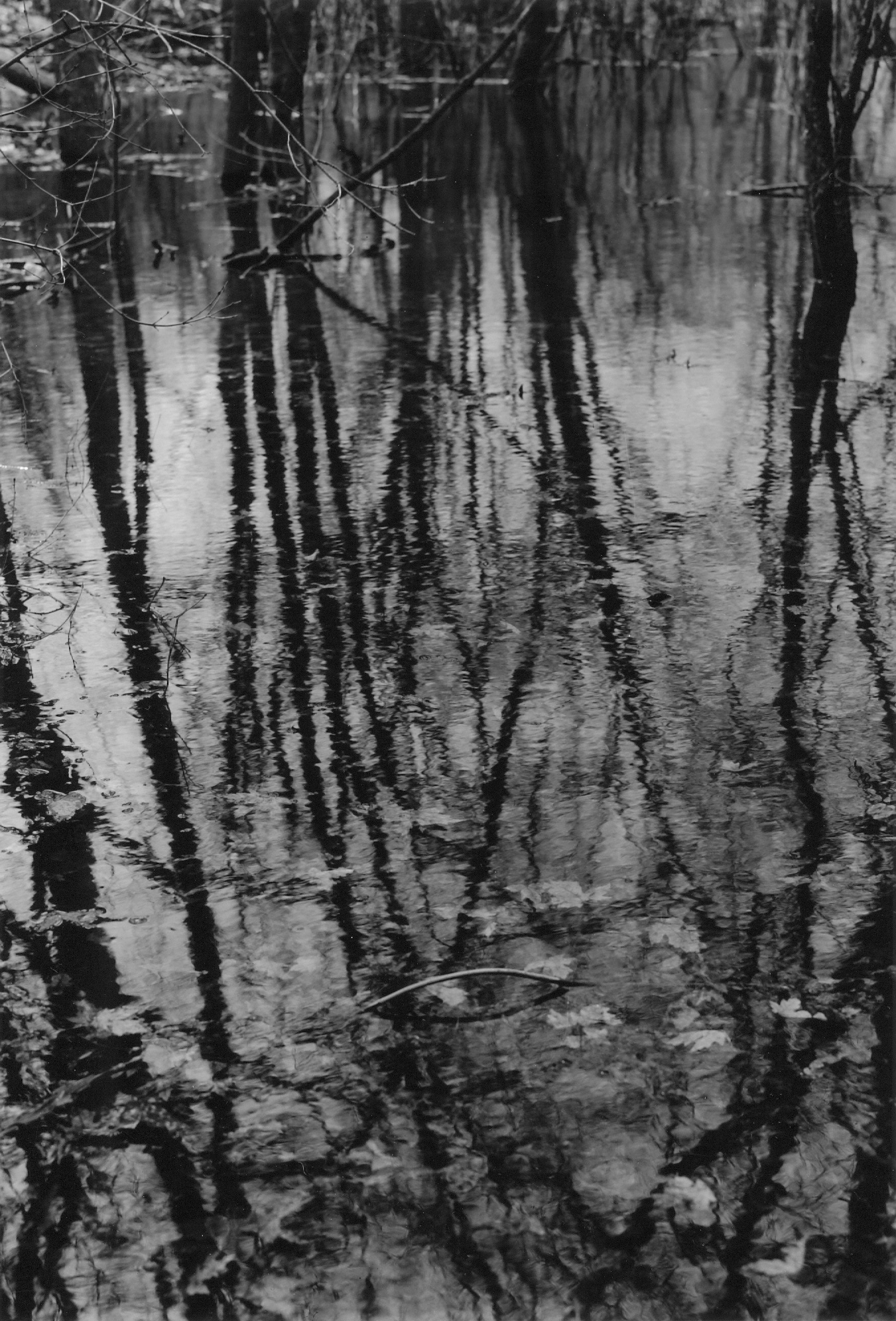
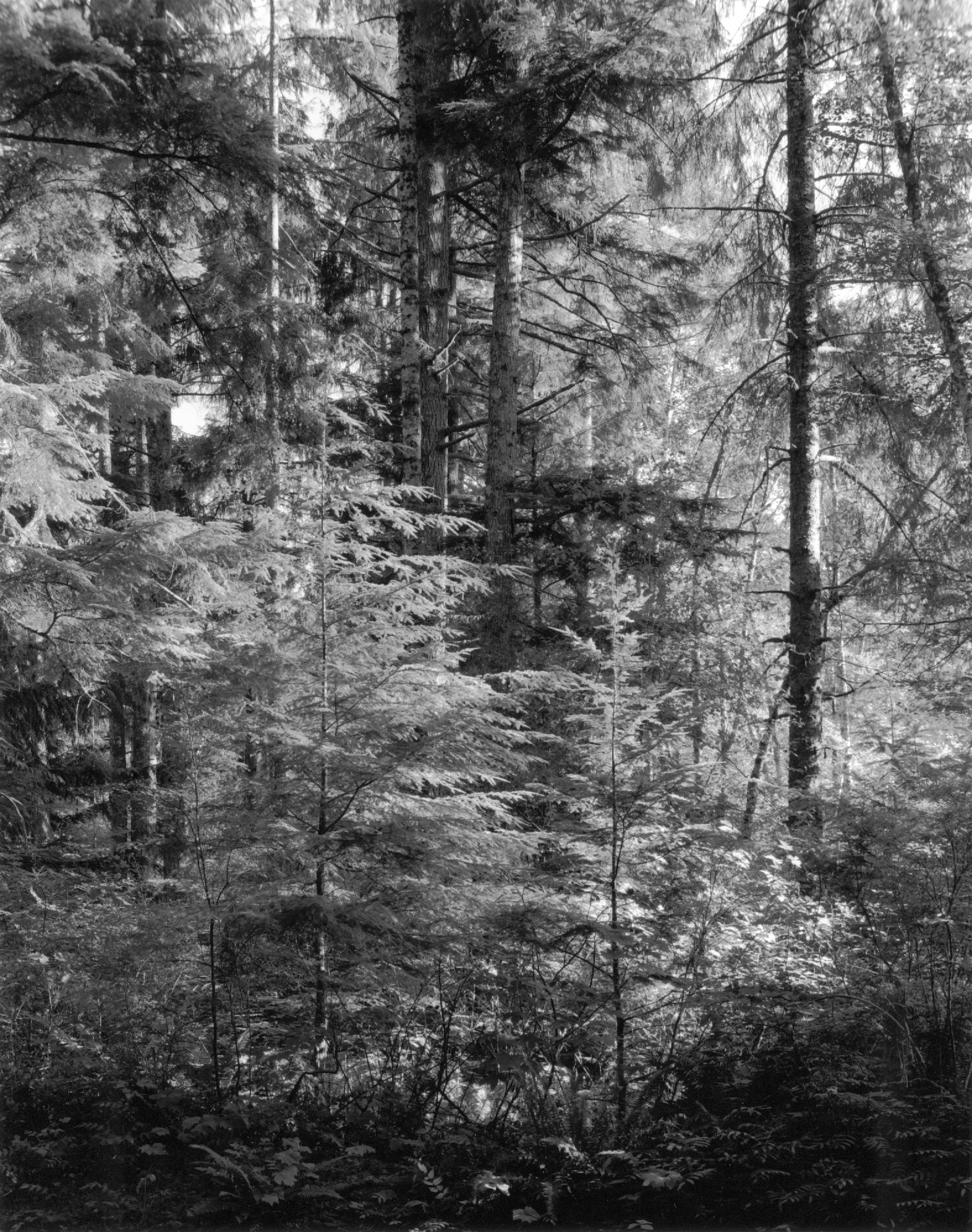
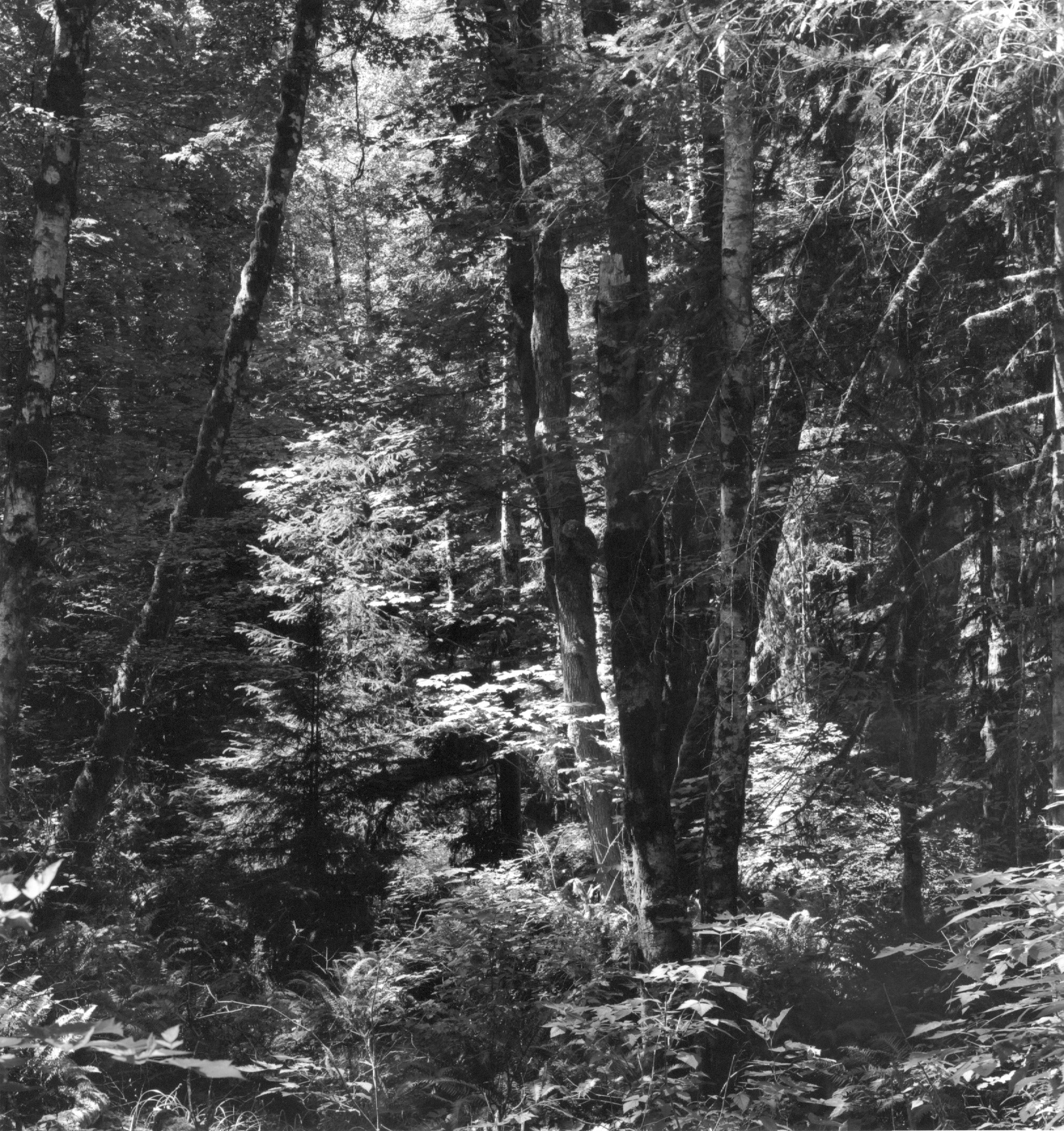
COLLECTION
35MM
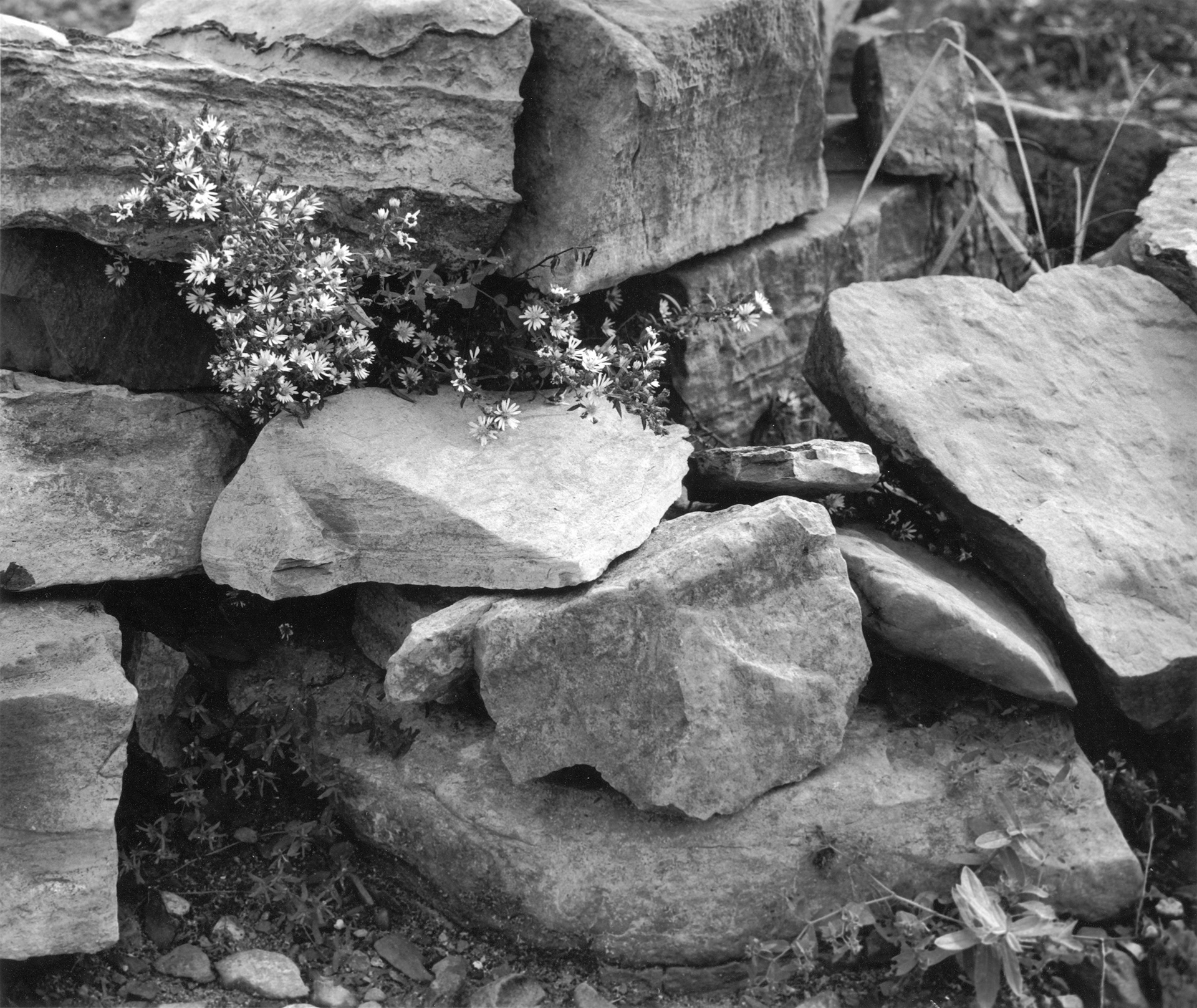
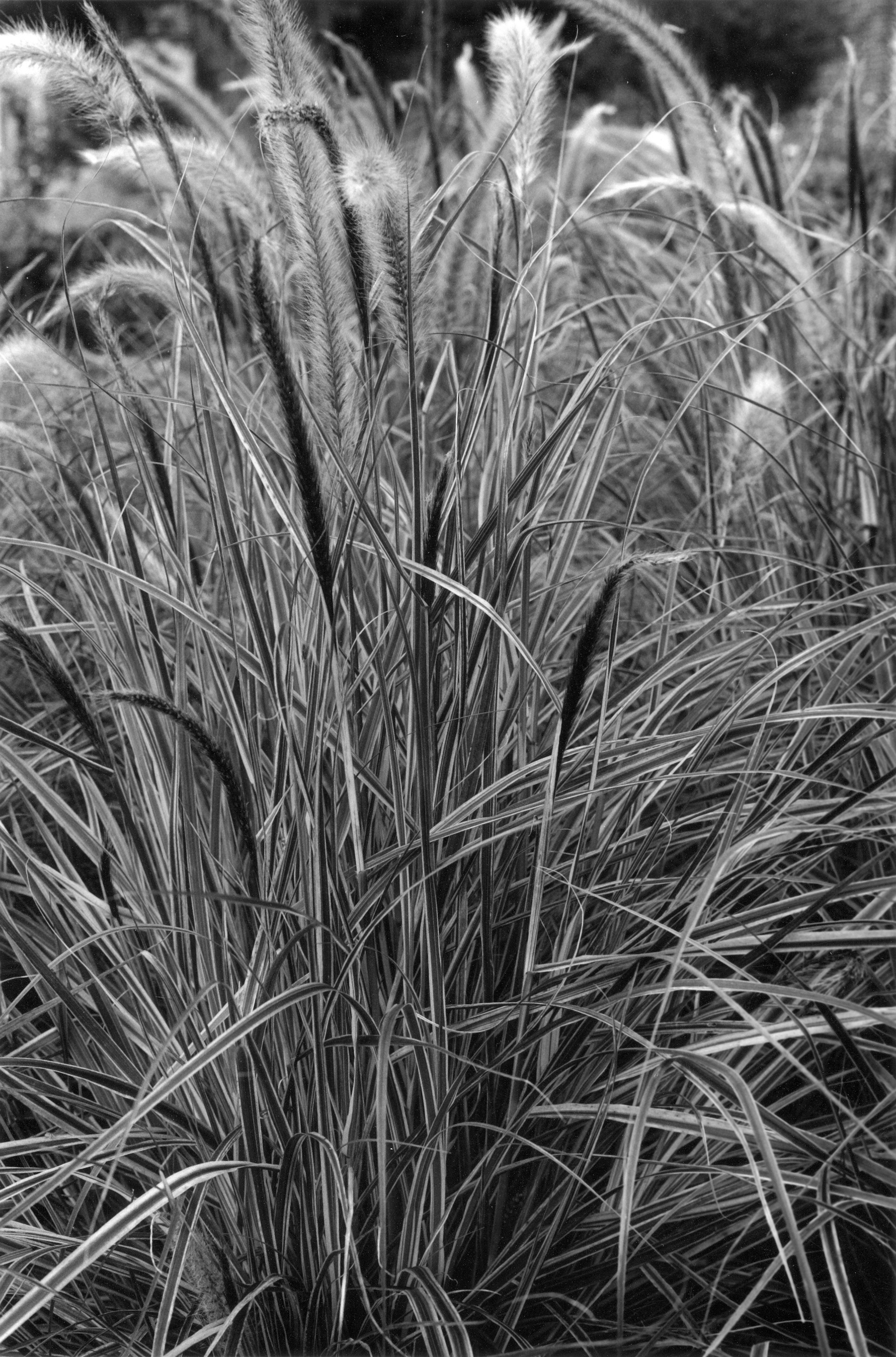
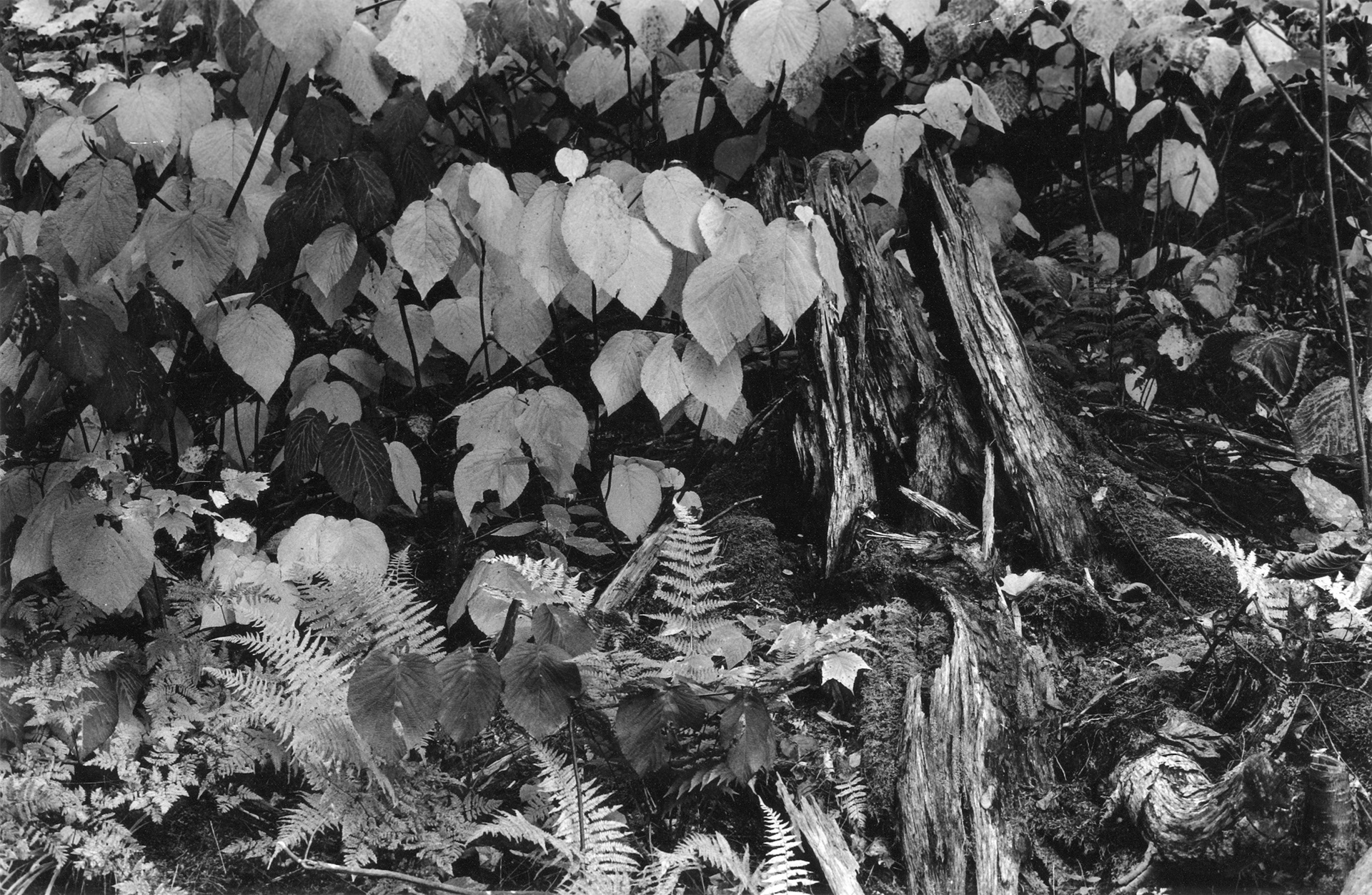
I’ve had the luxury of a dedicated darkroom since 1974. I found performing the repetitive movements during film and print development to be very meditative. This time is often spent remembering how I felt while taking the photo, and deciding how I would try to impart these feelings to the viewer. The technical challenge in monochrome photography is to fit the range of light intensities that are existing in the scene into the specific range that can be reproduced on a paper print.
After retiring in 2009, I expanded my horizons and started to shoot large format using a camera that accepted 4”x5” negatives. I have always loved to be out in nature, not necessarily in totally wild places, but where I can feel the breeze, the warmth of the sun (even in winter), the crunch of twigs or snow under my feet. I used to do quite a bit of backpacking and camping, but in the past few decades I have tended to do fewer kilometres and go slower, and this has allowed me to develop a greater appreciation of what nature has placed before me. Particularly with large format, the cameras are larger and heavier, so, needless to say, I have been staying closer to the car. There is more flexibility with large format cameras for controlling the image, and for me, this means that it usually takes about 30 minutes to take a photo. Regardless of film negative size, one has to consider the perspective and the relationship of the different elements to one another. This includes, in addition, the way that the light is falling on them, their form and texture, the range of distances that will be in focus, and the degree to which movement will be represented in the photo.